The systems behind the sale.
A purchase is one visible moment in a much larger arrangement.
The sale is easy to count. The conditions that made it possible are harder to see.
A customer finds an offer at a particular moment, through a particular channel, while trying to accomplish something. The price is one condition. So are time, access, confidence, social meaning, and the effort required to use what is being purchased.
If we study only the transaction, we may miss the arrangement that produced it.
Start with the occasion
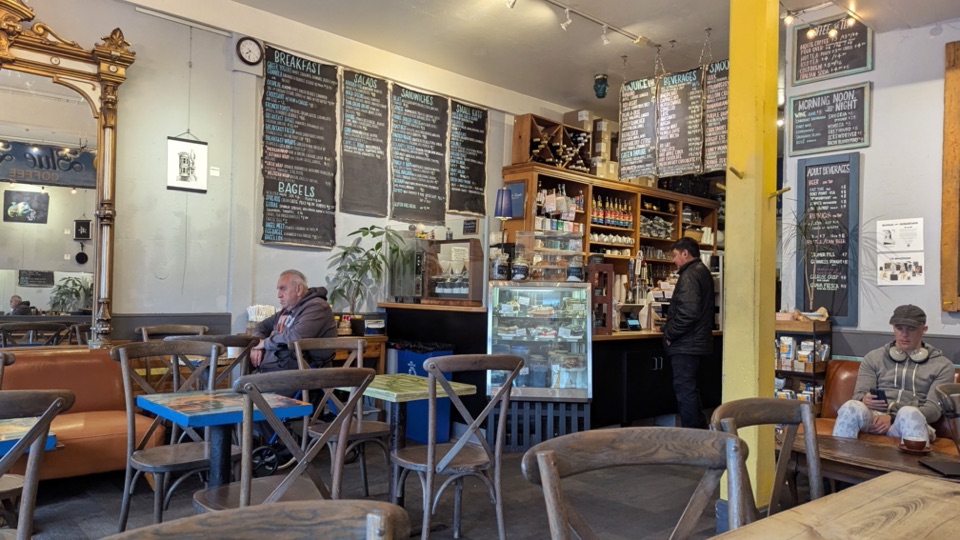
Take a hypothetical café. One customer needs a place to work. Another needs a coffee before a bus arrives. A third wants somewhere comfortable to meet a friend. They can purchase the same drink while buying into very different experiences.
A change that helps one occasion may make another more difficult. More seating may matter to the first customer; a clear pickup process may matter to the second. The useful question becomes: which occasion are we designing around?
Look across the whole encounter
Map the experience from first awareness to use. How does someone discover the offer? What do they need to understand before choosing? What uncertainty remains at payment? What happens after they leave?
At each point, separate the business’s intention from the customer’s task. A beautiful page may still make ordering difficult. A generous selection may still make choosing exhausting. What looks like an advantage from inside the business may be a cost from outside it.
Find the constraint before adding pressure
Suppose the café receives attention but few completed orders. More promotion is one possible response. First, however, inspect where the process loses people. The menu may be unclear. Collection may be inconvenient. The offer may reach people whose immediate task it does not serve.
Each explanation calls for a different test. Treating them as interchangeable marketing problems would hide the decision that needs to be made.
Design one useful experiment
Select a customer occasion, identify a suspected obstacle, and change one part of the encounter. Record the original condition, the change, the time period, and the outcome you are looking for.
For example, a simplified pickup offer could be tested during a defined period. Track completed orders alongside waiting time and customer feedback. A higher order count alone would not settle whether the new arrangement works if it overwhelms delivery.
The point of systems thinking here is practical: understand how the parts affect one another before asking one part to do more.
Have an observation?
What part of the buying experience do you think businesses most often overlook?